FUTBL GRIT CULTURE
A Standards-Based Soccer Development System
FGC develops soccer players through a defined curriculum, clear standards, and intentional coaching; building match behaviors that sustain quality, decision-making, and composure across the full demands of the game. Development is delivered through Coach Berenji’s methodology and guided by five pillars: Technical Authority, Decision Speed, Competitive Mentality, Tactical Understanding, and Professional Habits.
Athletes are expected to engage, think, apply correction, and take ownership of their development within the environment.
Built for the 90.
Female-led. Standards-driven. Built for long-term player development.
Placement within the development pathways is determined by evaluation results, training readiness, program capacity, and the athlete’s readiness to engage with the demands of the environment.
The FGC Environment
Standards-Based Development
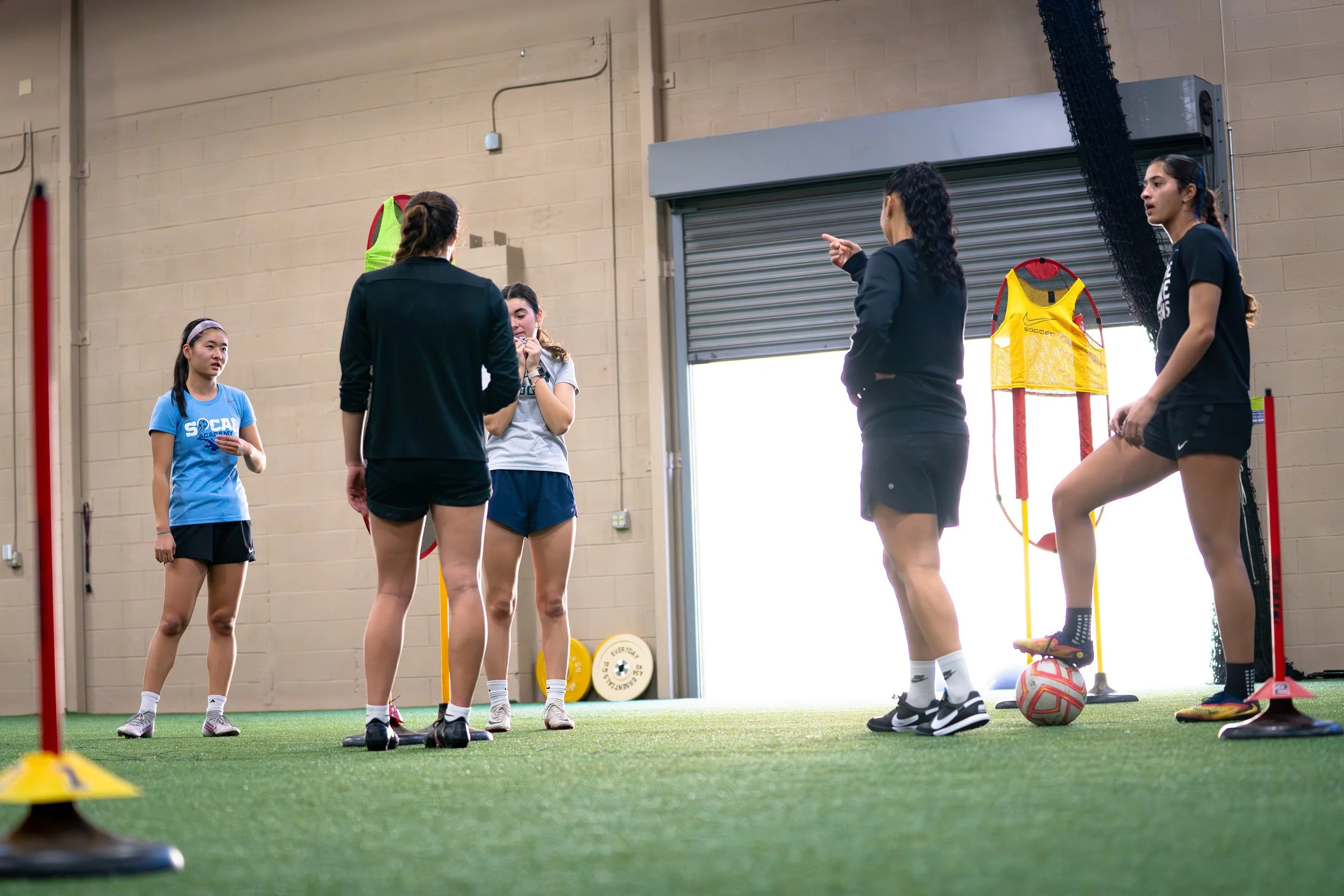
Curriculum-driven training built around match behaviors, accountability, and application.
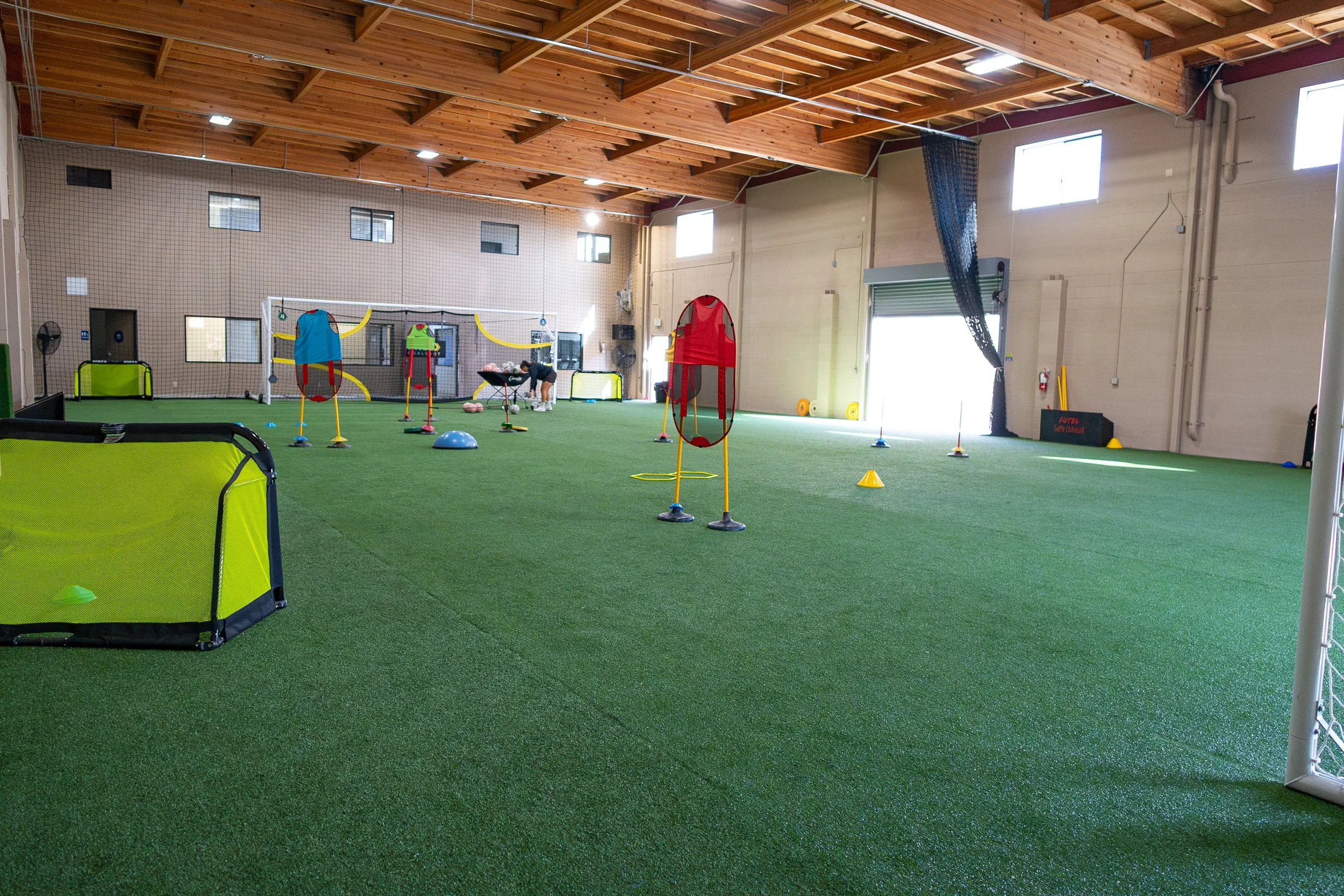
Dedicated Training Facility
Training space equipped with quality soccer equipment, strength, and recovery tools.
Evaluation-Based Placement
Entry through structured assessment and placement, with progression shaped by readiness, consistency, and engagement.
Long-Term Player Progression
Development designed to hold across the full match and reinforced by how the athlete trains within the environment.
The FGC Development System
FGC operates as a structured soccer development system designed to produce consistent match behaviors over time.
Athletes develop through a shared methodology emphasizing perception, decision-making, execution under pressure, and composure across phases of play. The methodology remains consistent across training environments.
Repetition is part of the process, but progress is strengthened by engagement, coachability, accountability, and the ability to apply what is being taught.
Player Development Model
The FGC Player Development Model
Evaluation is the entry point. Development Pathways deliver the curriculum. Performance Support and College Pathways reinforce match transfer and long-term progression.
Where an athlete begins may vary by readiness and level, but long-term progress is shaped by behavior, consistency, and application within the training environment.
Player Evaluation
Readiness assessment, match behavior review, and pathway placement based on current level, training readiness, and overall fit.
Development Pathways
The core training environments where the methodology is delivered through structure.
Individual Development (1v1 or 2-player when both athletes apply together)
Group Development (competitive small-group curriculum)
Performance Blueprint
Targets, standards, and checkpoints that drive long-term progression through accountability, application, and consistency.
Performance Support
Film Analysis • Live Observation • Specialty Development Labs
Match behavior evaluation tools that reinforce transfer and accountability.
College Pathways
Structured guidance that aligns development with long-term opportunity—level fit, timeline clarity, and performance behaviors that must evolve for the next stage.
Leadership
Built From High-Level Experience
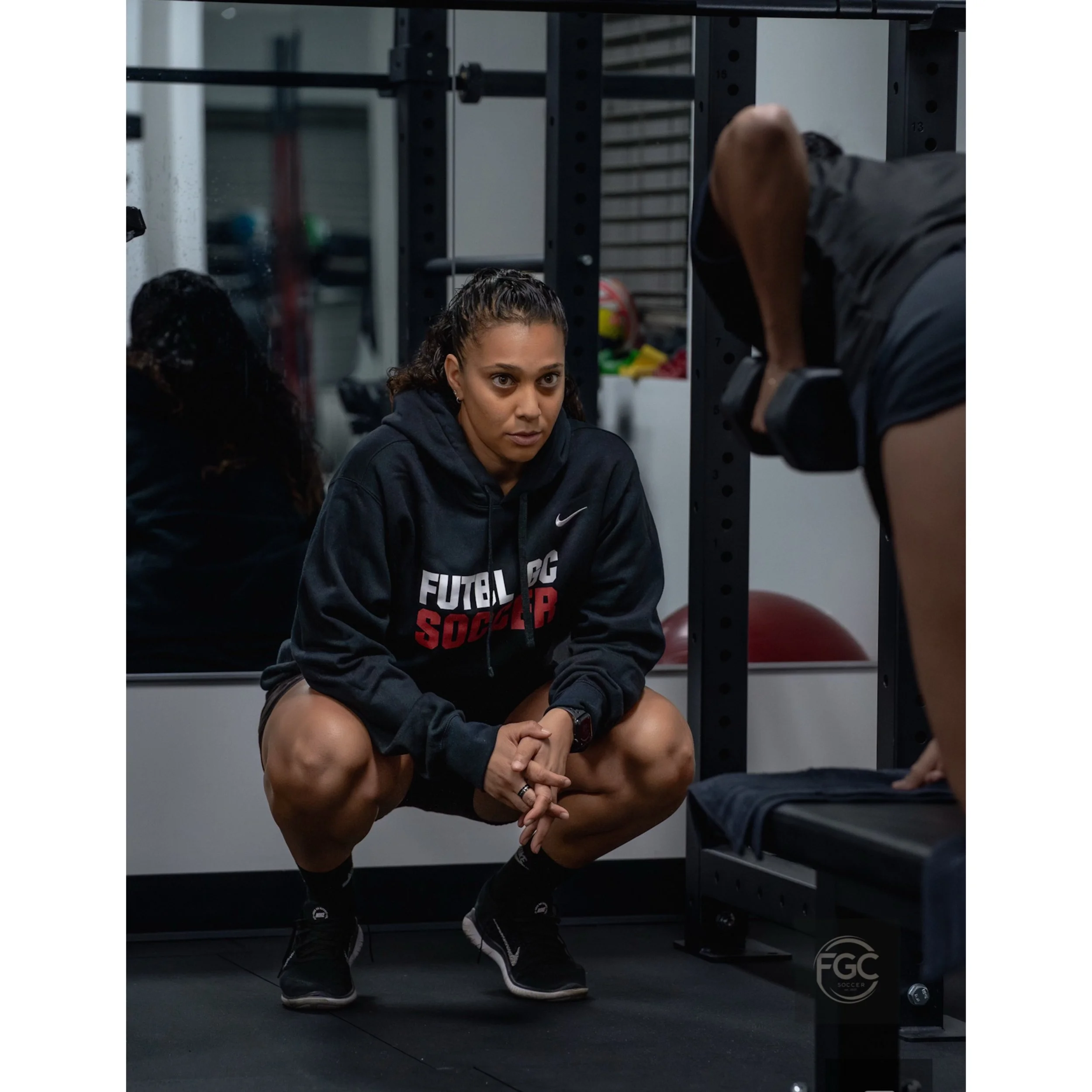
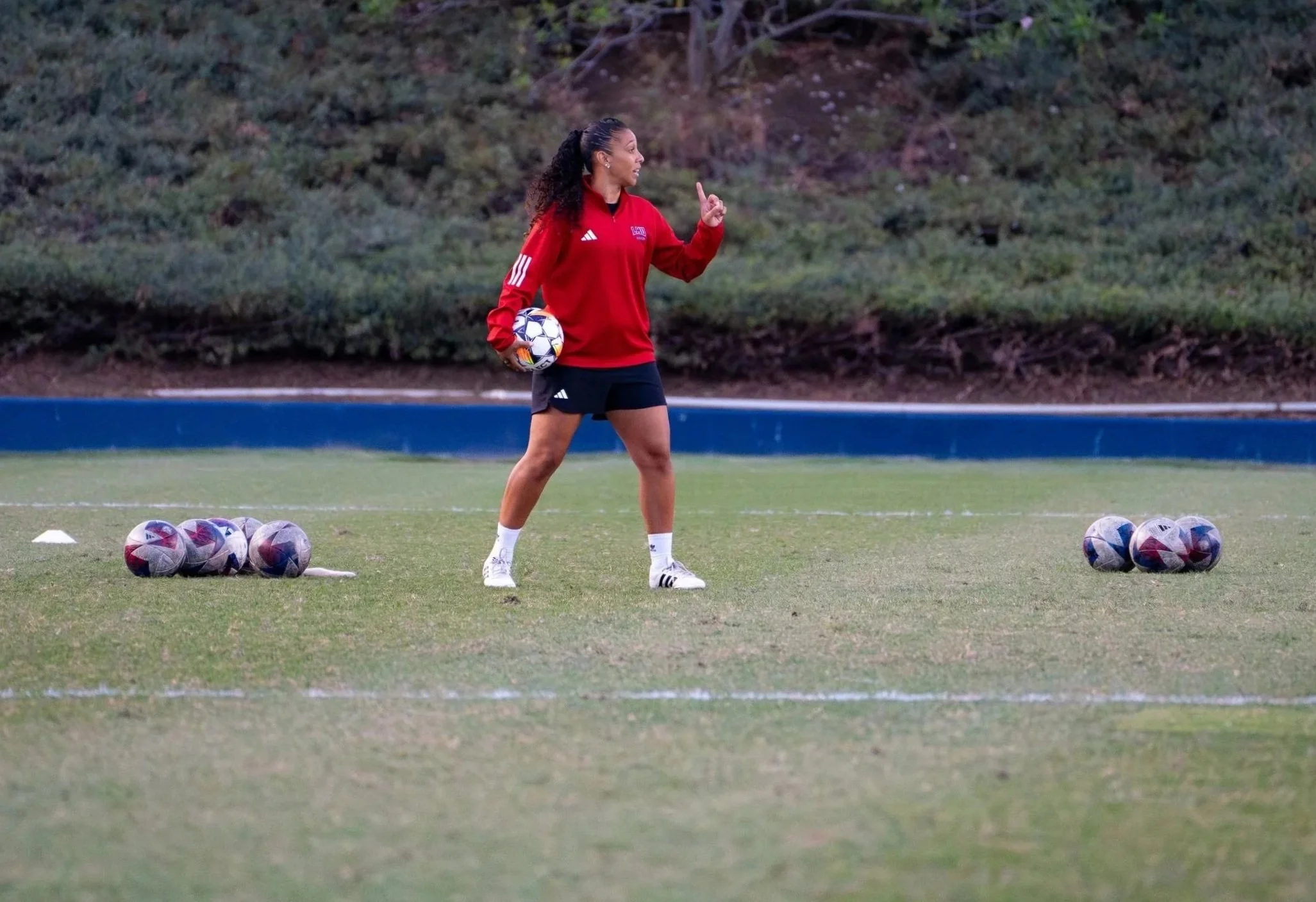
The FGC methodology is delivered by Coach Sheima Berenji, shaped by elite youth development and collegiate soccer environments.
The objective is sustained match performance—habits that hold when the game speeds up.
Coach Berenji’s methodology centers on teaching the game with intention, correction, structure, and accountability—not simply putting athletes through motions.
Facility
The FGC Performance Environment
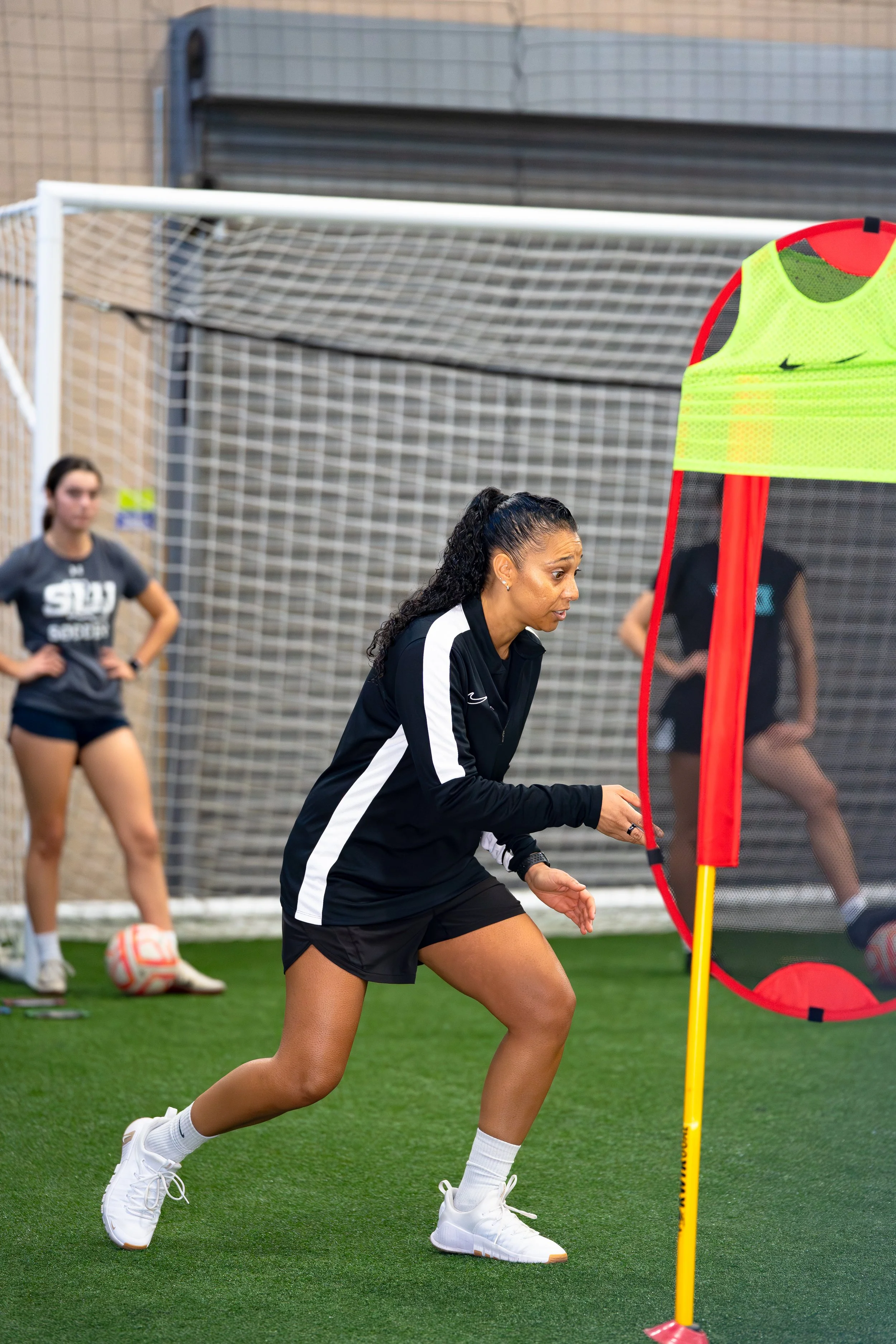
FGC operates within its own dedicated training facility designed to support high-level soccer development.
Structured training areas, strength equipment, and recovery tools reinforce preparation, durability, and performance sustainability.
Development Pathways
Core Training Environments
The same methodology, delivered through distinct training structures.
While starting point may differ by level and readiness, growth within each pathway depends on how the athlete responds, applies, and carries the work over time.
Individual Development
Personalized pathway for athletes pursuing deeper refinement and performance progression.
Built for athletes ready to engage with correction, ownership, and a higher level of intentional detail.
Formats: 1v1 or 2-player (available when both athletes apply together).
Group Development
Small-group pathway emphasizing decision-making, tempo control, and competitive execution.
Designed for athletes to build habits, apply coaching in real time, and develop within a structured shared environment.
Support Layers
Development Support Services
Performance support services reinforce pathway development and match transfer.
These layers also help athletes better understand their game, identify behavioral patterns, and strengthen what carries beyond the session.
Film Performance Analysis
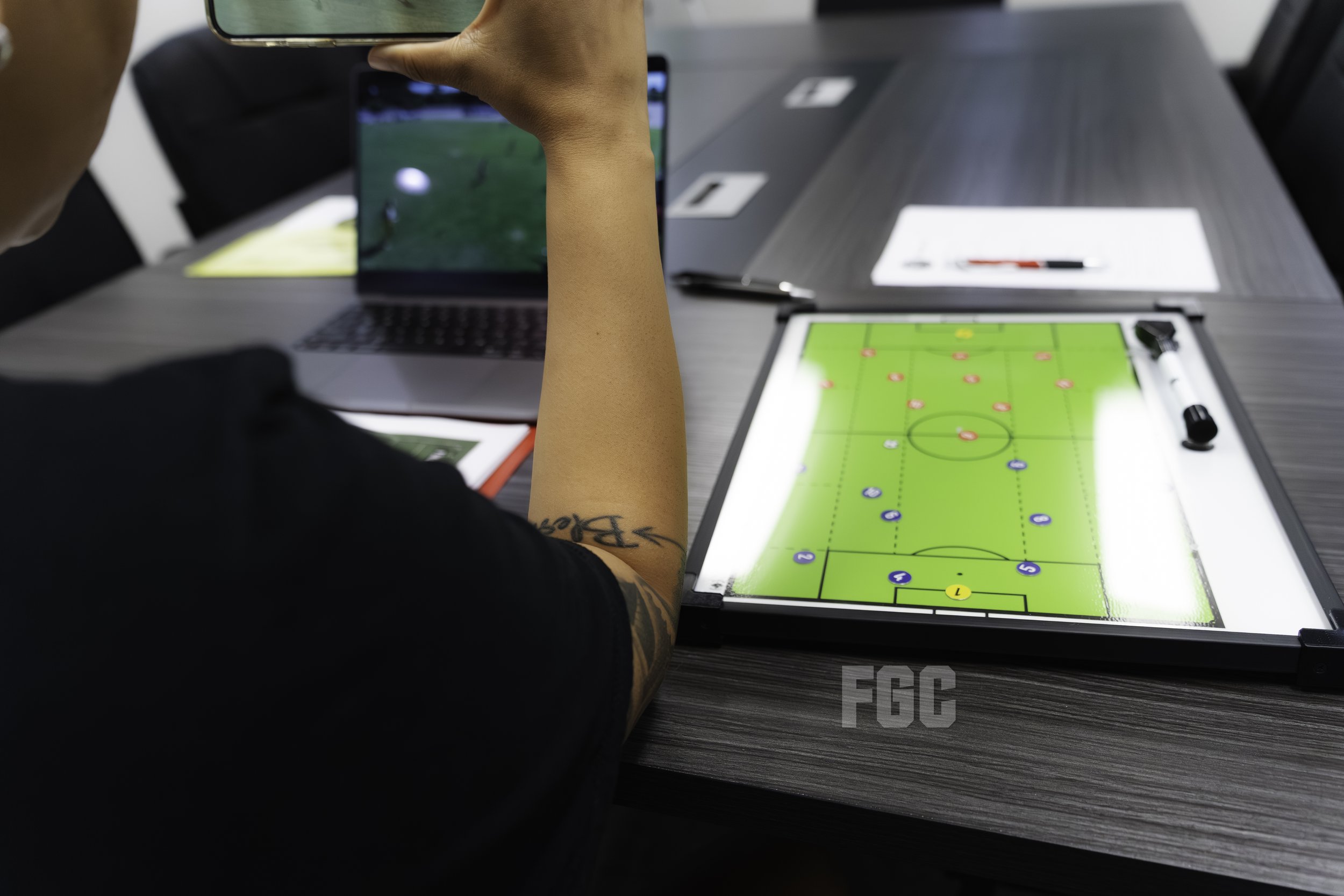
Structured match review to identify patterns that affect reliability and decision-making.
Live Performance Observation
Live match evaluation focused on behaviors under real competitive pressure.
Specialty Development Labs
Short-duration intensification blocks aligned with curriculum themes.
College Pathways
College Pathways as a Support Layer
College Pathways provides structured guidance designed to align development with long-term opportunity. This support layer helps athletes and families understand competitive level fit, recruiting timelines, and the performance behaviors that must evolve for the next stage.
It is built to give athletes perspective—helping them better understand the game, their current level, and the development required for where they want to go.
What College Pathways Supports
Evaluation & Placement
Development Assessment & Pathway Placement
Athletes enter the FGC environment through a structured evaluation designed to assess readiness and determine appropriate placement.
Placement is determined by evaluation results, training readiness, program capacity, and the athlete’s readiness to engage with the standards of the environment.